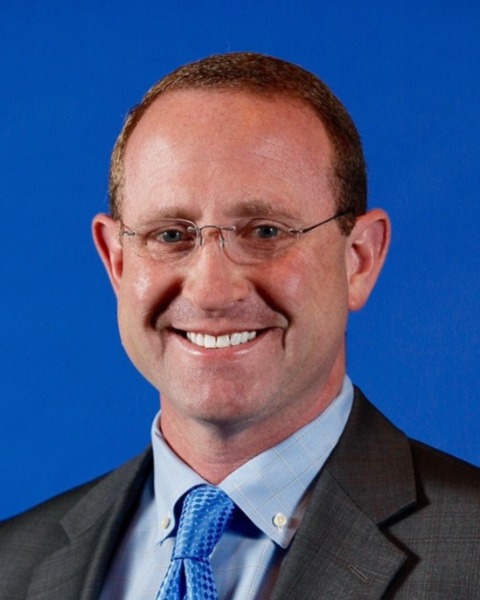
Senior Vice President American Heart Association - RQI Partners, LLC Prosper, Texas
Disclosure(s): No financial relationships to disclose
Everyone goes home except for when we don’t….
This presentation explores the hidden forces shaping safety decisions in high-risk occupations, from organizational pressures and human factors to cognitive biases and the fine line between heroism and hubris. While crew members are trained to speak up to prevent harm, powerful forces, including the pressure to fly, crew loyalty, and unspoken expectations, can create an environment where safety concerns are overridden or ignored.
Drawing from original field research and accident investigations, this session combines insights from psychology, organizational behavior, and real-world decision-making factors contributing to the latest research in safety voice and risk perception. This includes novel insights on-air medical providers conducted as part of doctoral research examining the role of safety culture, silence motives, and decision-making under pressure in HEMS operations.
Using an evidence-based and interactive approach, attendees will learn: • Why is the pressure to fly more than just a crew problem? It’s an organizational failure. • How do silence motives (fear of consequences, futility, social dynamics) prevent crews from speaking up? • Why decision fatigue, cognitive tunneling, and normalization of deviance lead to poor risk assessments. • How can safety culture and leadership encourage proactive rather than reactive safety voices?
This session will challenge attendees to rethink safety leadership, build a robust safety culture, and implement practical communication strategies to prevent future accidents.
Learning Objectives:
Describe the key psychological and organizational factors that contribute to silence motives in high-risk environments, including fear of consequences, futility, and social dynamics
Discuss how cognitive biases such as decision fatigue, cognitive tunneling, and normalization of deviance impact risk perception and safety-related decision-making
Apply evidence-based strategies to strengthen safety voice and improve safety culture in their organization by implementing at least one actionable change in risk assessment, leadership communication, or safety reporting structures

.png)
.png)
.png)
.png)